In interviews for this project, many landscape architects questioned their ability to write a curriculum, citing a lack of experience in education and curriculum design. The good news: we do not need to be experts in curriculum writing and design. What we need are partnerships with those who are.


Essential Components
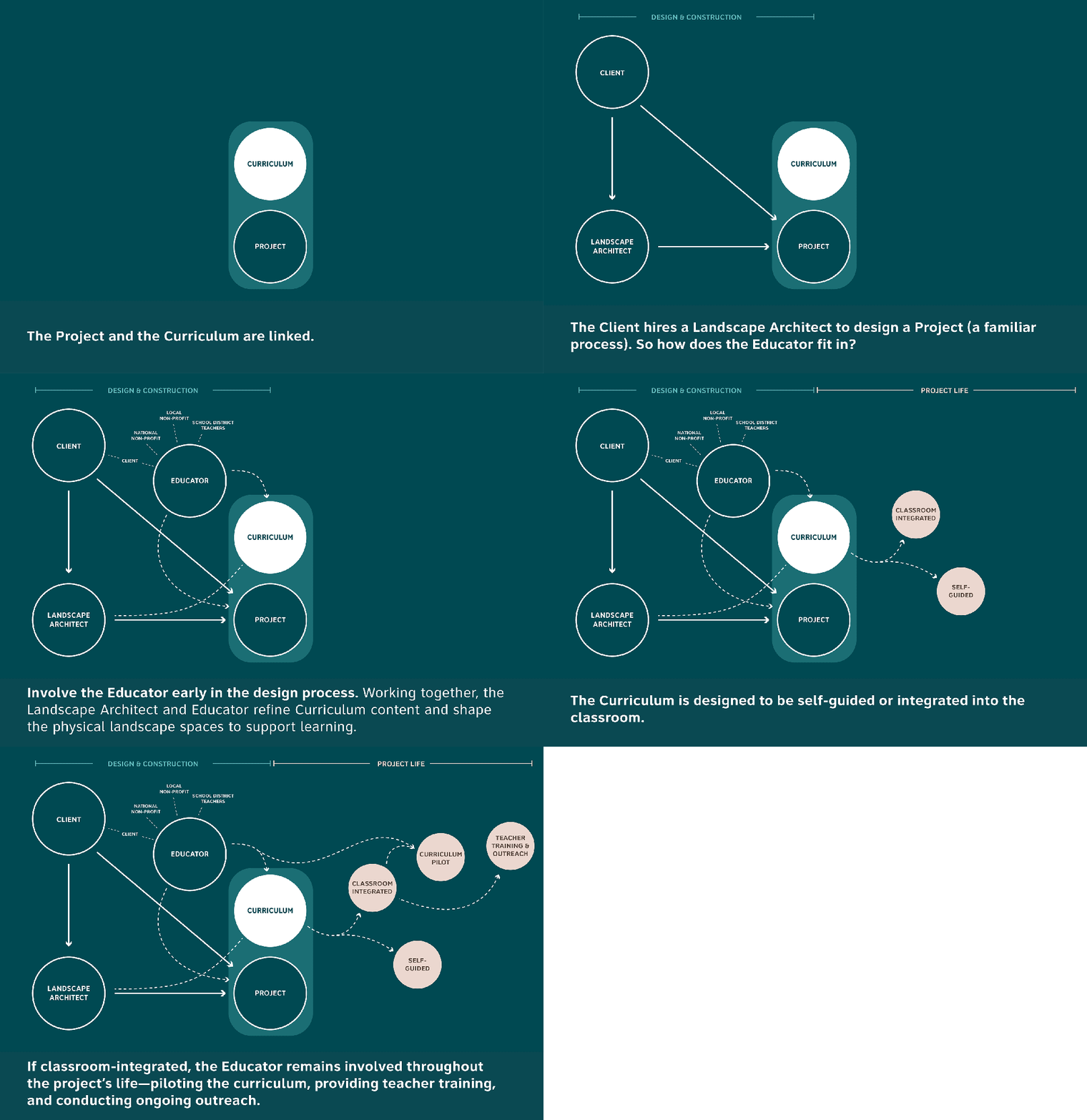
A successful landscape project-based curriculum partnership relies on four key elements:

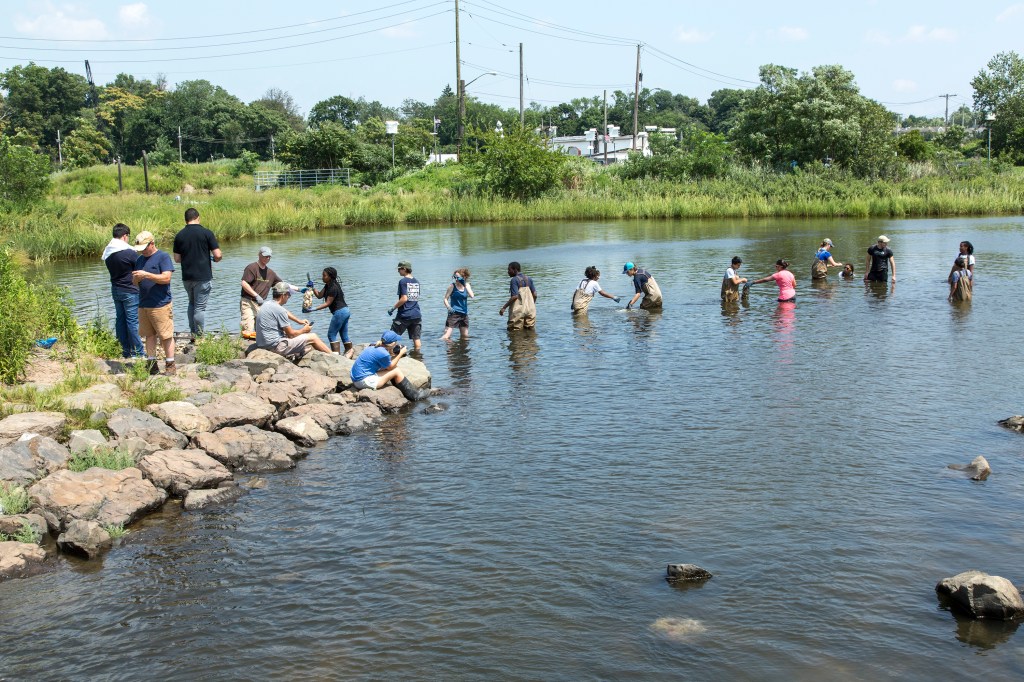
Project: The project itself is the learning lab. It offers both the physical space for teaching and the subject matter for the curriculum.
Client: The Client must be mission-aligned and supportive of using the landscape for education. They may allocate funding for curriculum development and, in some cases, may have an internal education team who can also serve as the Educator.
Landscape Architect: The Landscape Architect is the bridge between the project and the curriculum. They provide subject matter expertise, graphic communication skills, and support the development of the curriculum.
Educator: The Educator is an individual or organization with expertise in environmental education and curriculum development. They co-author the curriculum with the Landscape Architect, understanding how to align the content with education standards and classroom needs. Ideally, the Educator also has the capacity to pilot the curriculum and provide teacher training and professional development. This role may be filled by a local nonprofit, school district, national organization, or the Client.
Many local environmental nonprofits have education initiatives and make excellent partners for curriculum development. While teachers and schools cite challenges with funding, resources, and training, these organizations often have the ability to support and assist.
 Landscapes are Learning Labs
Leave a comment