What is a landscape project-based curriculum?
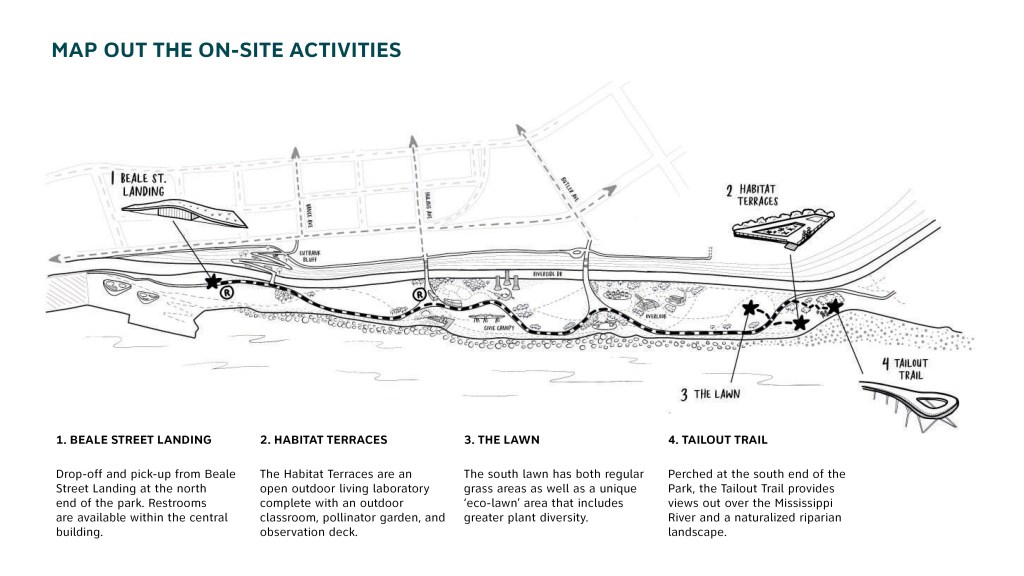
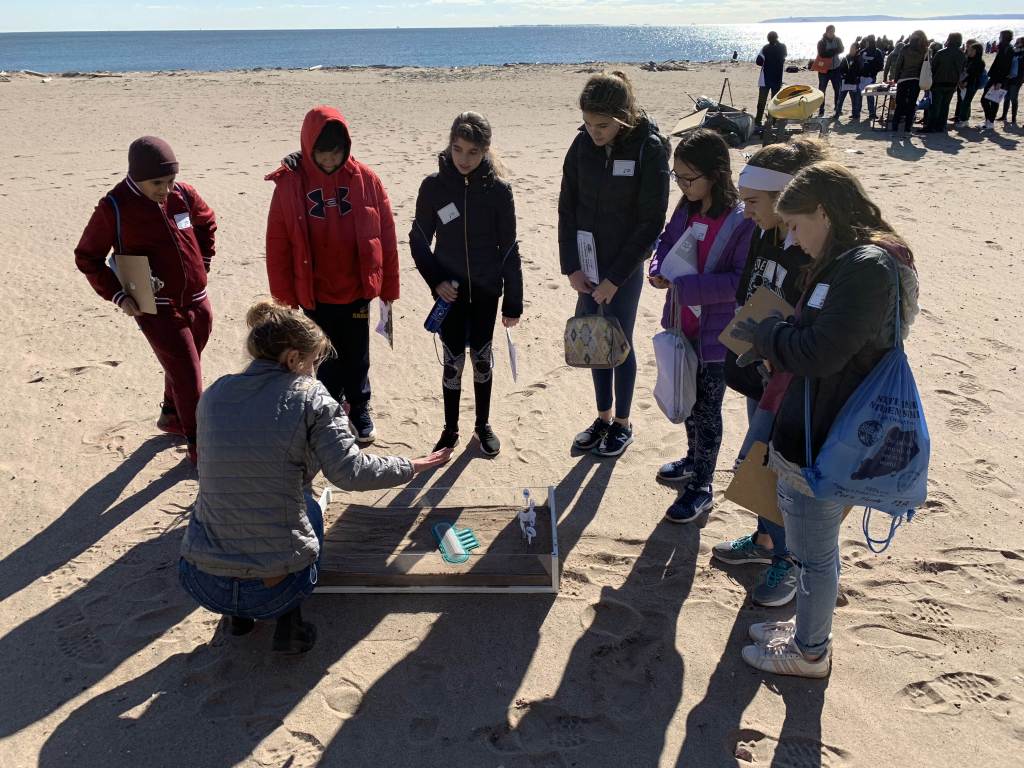
A curriculum for a landscape project is a method of place-based education, an educational approach that is locally driven, community-based, and/or ecologically focused. It is a packaged set of learning objectives, lessons, and hands-on activities designed to occur in a project with the objective of teaching youth about landscape and ecological systems within their community. A landscape project-based curriculum is a tool to help educators teach environmental concepts in their local park.
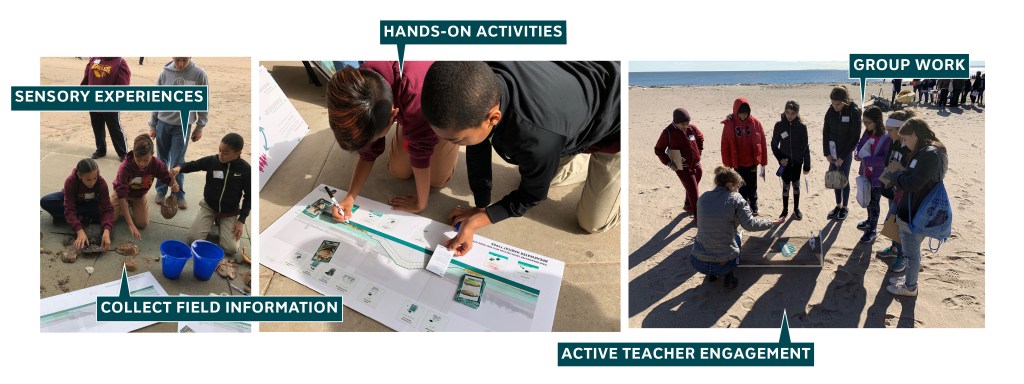
Research advocating for place-based education and field science argues that this model of learning expands a young person’s idea of how science work is accomplished, and that science discovery can also happen outside – not always inside a lab. Studies also show that participation in environmental education programs outside lead to short-term improvements in environmental attitudes and behavior. Active, hands on activities; focusing on local issues; access and repeat exposure to sites; engagement in projects that gather field information; active engagement of the teacher; sensory experiences; relationships between participants; and the novelty of and freedom of choice in activities were cited as impactful and are important items to consider including in a curriculum for your landscape project.
Types of Project-Based Curriculum
Perhaps it is not possible to develop a curriculum for your project that is fully integrated into a local school system, or you may encounter challenges finding or sustaining a partnership to keep the curriculum going after the project is built. A landscape project-based curriculum can take different forms.

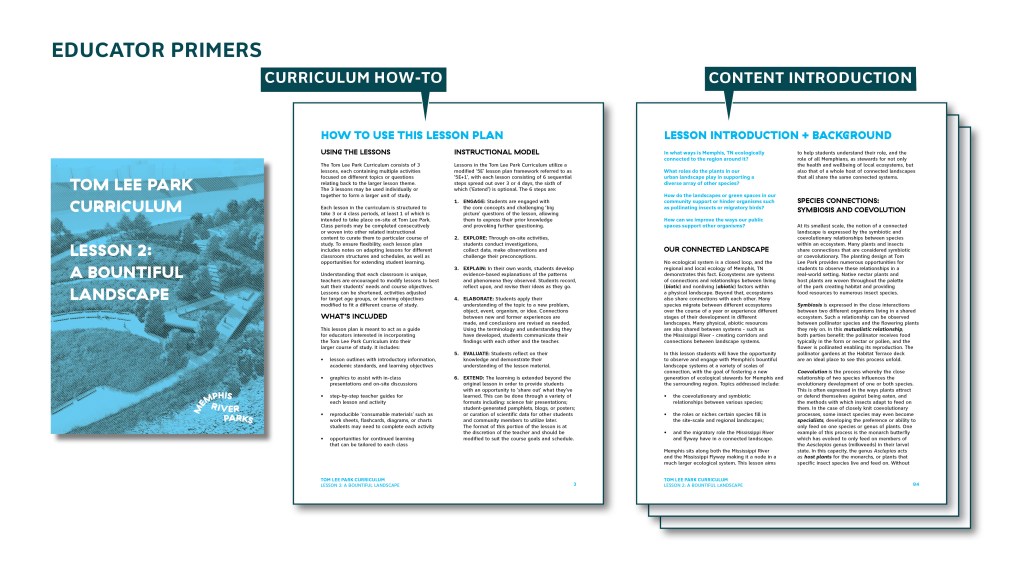
Self-Guided: Self-guided materials may be one or a series of on-site, hands-on activities that focus on a specific, local environmental topic and is available to a parent; park ranger; scout leader; after-school program leader; and/or interested teacher. This may not be time intensive to do on-site and is possible for a landscape architect to author, with the support of reference examples, resources, and a consulting educator partner.
Classroom-Integrated: A curriculum designed for classroom integration includes more in-depth, hands-on activities—both in-class and outdoors—that explore environmental topics through the lens of a local park or landscape. These align with state science standards and are intended to be embedded into a school’s STEM/STEAM curriculum, supporting more outdoor learning. This approach is more time-intensive, requires commitment from teachers or schools, includes teacher training and professional development, has repeated site visits, and may integrate a hands-on service project. This must be developed by a larger, collaborative team that includes curriculum specialists and landscape architects.
Useful Tool for Teachers
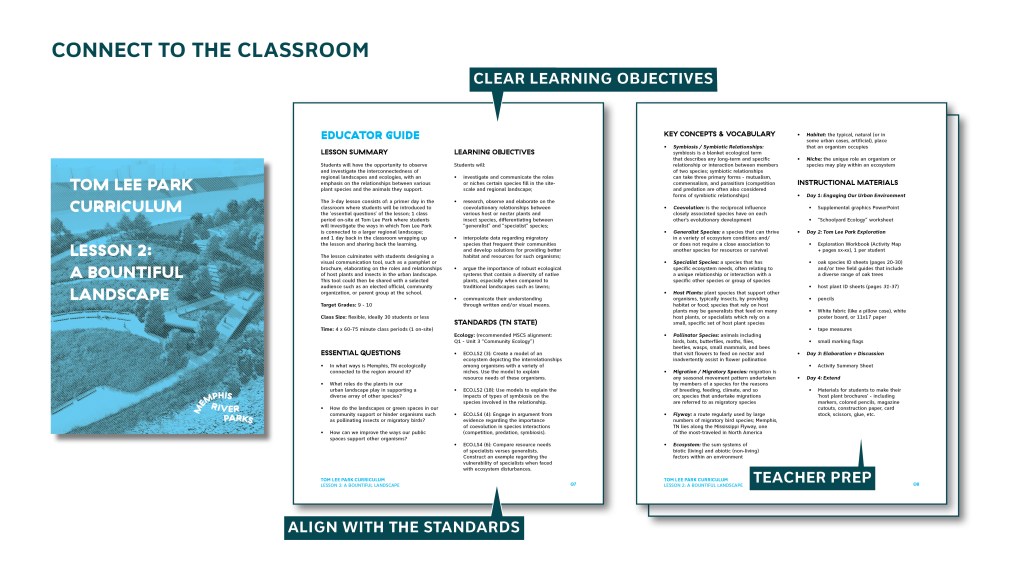
For this project, I interviewed environmental educators, teachers, and read articles about place-based education. Many cited a common challenge: teachers have a packed workload and specific education standards their lesson plans need to address.
To make a curriculum for a landscape project a useful tool for teachers, it cannot be in addition to their workload, it must be a tool they can integrate into their pre-existing STEM/STEAM curriculum to adapt their teaching methods. It needs to meet applicable state standards and address the learning goals they are already working towards in their classrooms.
 Landscapes are Learning Labs
Leave a comment